
Summary: When it comes to your facility’s success, proper compressed air system sizing is huge. The size of your compressed air system directly impacts your plant’s efficiency, reliability, and operating costs. If your system is too small, you risk downtime and lost productivity. If it’s too large, you’re wasting energy and money. If you need advice on how to size your compressed air system, Remco offers expert, locally tailored solutions to optimize your system for reliability and future growth.
Why Compressed Air System Sizing Matters
You rely on compressed air for many essential operations in your facility. But if your system isn’t sized to meet your actual demand, you’ll face operational problems. Undersized compressors struggle to keep up, causing pressure drops and interruptions. Oversized compressors cycle on and off too frequently, increasing wear and energy consumption. Both scenarios reduce your system’s reliability and increase your maintenance needs.
Proper compressed air system sizing ensures your equipment runs smoothly, supports your production needs, and keeps energy costs in check. It also extends the lifespan of your compressors and reduces unplanned downtime. Getting the sizing right should be a top priority for your facility.
Read Also: Why Preventive Maintenance Costs Less Than Emergency Air Compressor Repairs
How to Know if Your Compressed Air System Is the Right Size
Ask yourself these questions to evaluate your compressed air system:
- Does your system maintain consistent pressure during peak demand?
- Are you experiencing frequent compressor cycling or short cycling?
- Is energy consumption higher than expected for your output?
- Do you have unplanned downtime related to air supply issues?
These symptoms often indicate a mismatch between your system capacity and your facility’s actual air requirements. If you answered yes to any of these, your system’s sizing is likely off.
Key Factors in Compressed Air System Sizing
You need a full understanding of your facility’s air demand profile and operational needs in order to size an air compressor system. The main factors to consider include:
Air Demand Volume
Calculate the total volume of compressed air your processes require, including peak usage periods. Take into account every tool, machine, and piece of equipment that relies on compressed air. Without an accurate measurement of your air demand, you risk undersizing or oversizing your system, both of which can cause inefficiencies and operational problems.
Pressure Requirements
Different equipment in your facility may require varying pressure levels to operate effectively. Your compressed air system must maintain adequate pressure at all points of use to ensure consistent performance. If pressure drops occur frequently, your equipment may not function properly, leading to production delays or quality issues.
Duty Cycle
Pay attention to how often and how long your compressors run. The duty cycle affects the size and number of compressors you need. Compressors that run too frequently or for extended periods without rest can wear out prematurely, increasing maintenance costs and downtime. Proper sizing helps balance compressor operation to extend equipment life.
Future Growth
Consider potential expansions or additional equipment that will increase your air demand. Planning for future growth ensures your compressed air system can handle increased loads without requiring costly upgrades or replacements shortly after installation.
System Losses
Pressure drops and leaks in your piping and equipment can significantly affect system performance. Even small air leaks can lead to wasted energy and reduced efficiency over time. Accounting for these losses during sizing helps ensure your system delivers the air volume and pressure your facility truly needs.
Related: How Air Leaks Quietly Increase Energy Costs
Incorporating Sullair Compressors for Optimal Performance
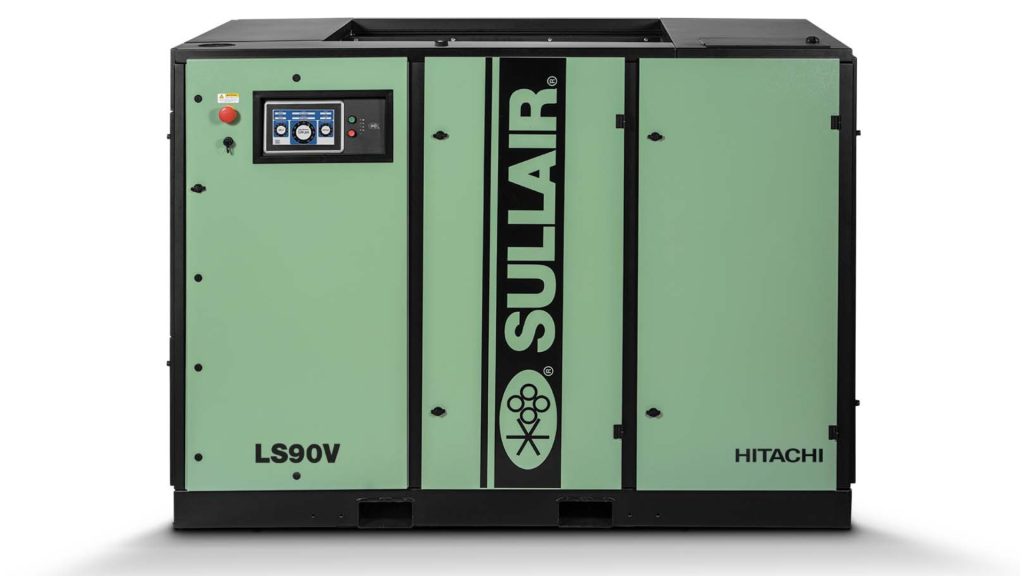
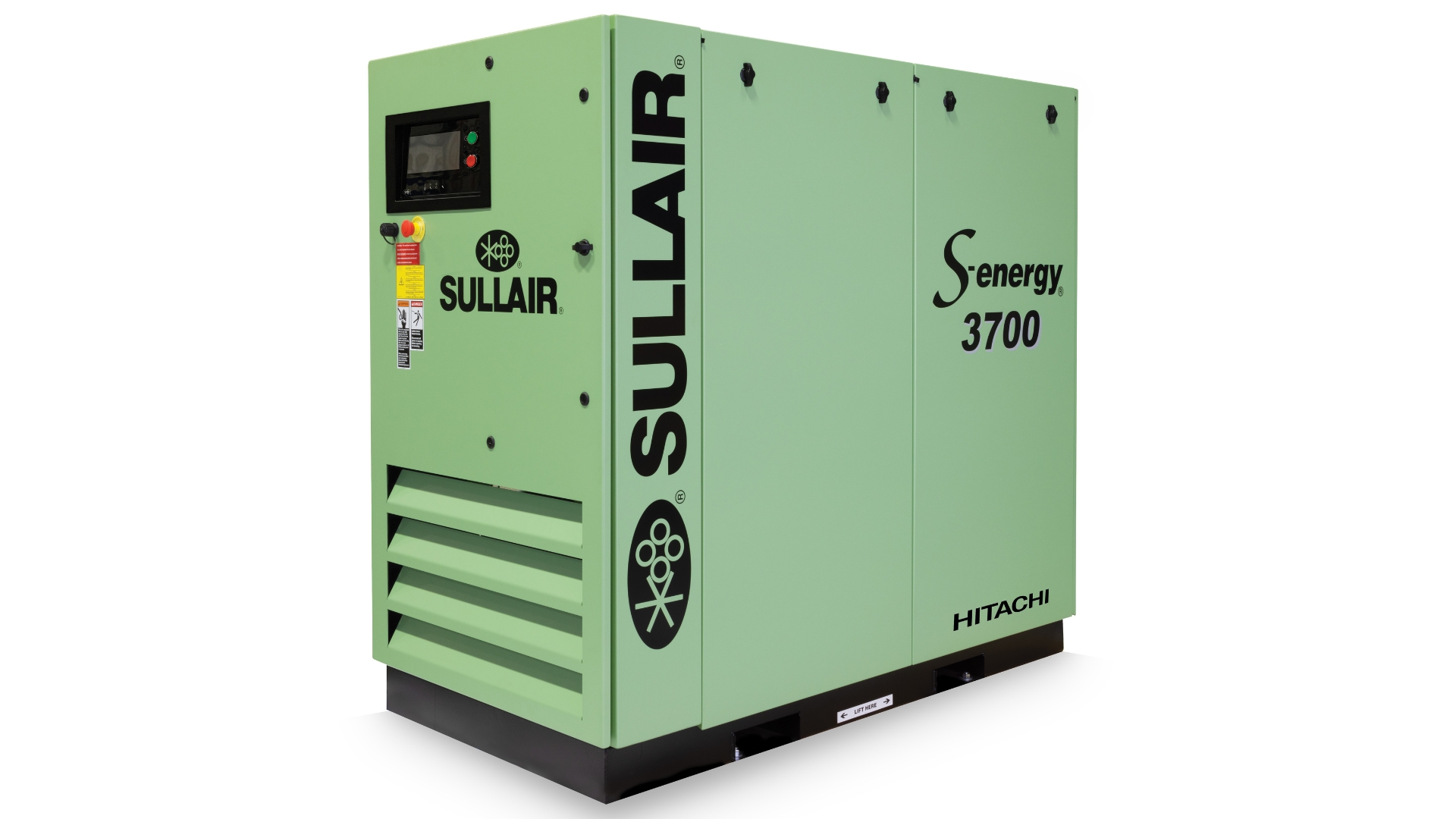
Sullair compressors, available through Remco, provide reliable options tailored to diverse facility needs.
Sullair Oil-Free Compressors
Ideal for industries requiring clean, contaminant-free air, oil-free compressors deliver high-quality air without the risk of oil contamination; these compressors are designed for durability, energy efficiency, and facilities with stringent air quality standards.
Sullair Oil-Flooded Compressors
For applications where oil-free air is not mandatory, oil-flooded compressors offer robust performance with excellent energy efficiency and reliability; these compressors are engineered to handle heavy-duty industrial demands while minimizing operating costs.
Benefits of Proper Compressed Air System Sizing
When your compressed air system is sized correctly, you’ll see tangible benefits:
- Consistent pressure and reliable air supply: Proper sizing ensures your system maintains stable pressure levels during all operating conditions, preventing interruptions and supporting smooth production.
- Lower energy bills through efficient compressor operation: Properly sized compressors operate optimally, consuming less energy and reducing your facility’s overall power costs.
- Reduced maintenance and longer equipment life: Balanced compressor operation minimizes wear and tear, reducing repair frequency and extending lifespan.
- Minimized downtime and improved productivity: Reliable air supply reduces unplanned stoppages, helping you meet production schedules and customer demands.
- Better control over operating costs: Accurate sizing allows you to budget more effectively by reducing unexpected expenses related to energy use and maintenance.
You May Also Like: 10 Warning Signs Your Air Compressor Needs Service
Why Choose Remco for Your Compressed Air System Sizing
Here at Remco, we engineer complete compressed air system solutions tailored to your facility. Our multi-generational, family-owned business has deep roots in Southern Colorado, serving industries from manufacturing to medical facilities with expert compressed air system sizing and design.
Our factory-trained technicians and engineering-first approach ensure your system is optimized for reliability, efficiency, and cost savings. Unlike others, we provide turnkey services, from initial design and installation to ongoing maintenance or emergency repairs. We will make it our mission to improve your system’s uptime and reduce your operating costs over the long term.
How We Approach Compressed Air System Sizing
Our process begins with a free plant evaluation. First, we analyze your current system’s performance, measure actual air demand, and identify inefficiencies. Then we design a system precisely sized for your operational needs, considering future growth and energy efficiency.
Along the way, we’ll educate you on preventive maintenance and service agreements that keep your system running smoothly. At Remco, our goal is to build a long-term partnership, not just complete a one-time sale.
Get Your Compressed Air System Sizing Right: Request Your Free Plant Evaluation Today with Remco
If you’re unsure whether your compressed air system is properly sized, don’t wait for costly failures. Reach out to Remco today to schedule your free plant evaluation. Our experts will assess your system, identify areas for improvement, and provide a customized solution that fits your budget and operational goals. Let us help you optimize your compressed air system sizing to improve reliability, reduce downtime, and save on energy costs.