
Summary: If you’re noticing unusual noises, pressure fluctuations, excessive moisture, or rising energy costs, these may be signs your air compressor needs service. Addressing these warning signs early can help prevent unplanned downtime, reduce repair costs, and extend the life of your compressed air system. This guide explains the most common indicators of developing problems and when it’s time to schedule professional service.
Why Recognizing Early Warning Signs Matters
A compressed air system rarely fails without warning.
In most industrial facilities, compressors begin showing subtle changes in performance long before a major breakdown occurs. Rising operating temperatures, fluctuating pressure, longer run times, or higher energy consumption often indicate developing mechanical wear, deferred maintenance, or declining system efficiency.
Many facilities continue operating until production is affected. By then, a routine maintenance issue may have become an emergency repair, leading to unexpected downtime, lost productivity, and significantly higher costs.
Recognizing the signs your air compressor needs service early allows maintenance teams to correct small problems before they become major failures. Preventive service not only protects the compressor but also improves the reliability of the entire compressed air system.
What Causes Air Compressors to Develop Problems?
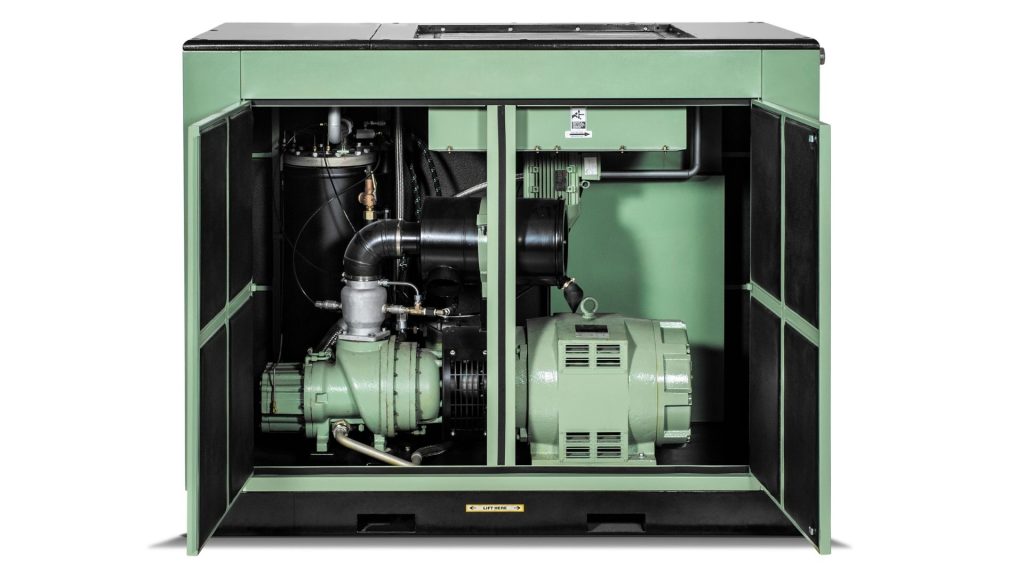
Industrial air compressors such as those made by Sullair operate in demanding environments where heat, vibration, moisture, airborne contaminants, and continuous operation contribute to normal component wear.
Many problems develop gradually rather than appearing suddenly. Restricted intake filters reduce airflow, worn belts begin slipping, air leaks increase run time, and clogged separators raise operating temperatures. Individually, these issues may seem minor, but together they increase system stress and reduce efficiency.
Facilities throughout Southern Colorado face additional challenges. Higher elevations reduce air density, while dust, seasonal temperature swings, and demanding production schedules can accelerate wear when maintenance is delayed.
Fortunately, most developing problems are predictable. Recognizing the warning signs allows maintenance teams to schedule service proactively rather than react to an unexpected breakdown.
Learn More: How Altitude Affects Air Compressors: Understanding Output Loss at Higher Elevations
What Are the First Signs Your Air Compressor Needs Service?
Every compressed air system is different, but experienced technicians often recognize developing problems long before equipment fails.
The following warning signs can help maintenance teams identify potential issues early, allowing repairs to be scheduled before reliability, productivity, or operating costs are significantly affected.
Unusual Noises During Operation
Industrial air compressors produce a consistent operating sound. When that sound changes, it’s often one of the earliest signs your air compressor needs service.
Grinding, knocking, rattling, squealing, or excessive vibration may indicate worn bearings, loose belts, failing couplings, damaged motors, or internal compressor wear. Some causes are relatively minor, while others can quickly lead to significant mechanical damage if ignored.
Any new or worsening noise deserves investigation. Identifying a failing bearing or worn belt early is far less expensive than replacing major compressor components after a breakdown.
Fluctuating or Low Air Pressure
Compressed air systems are designed to maintain a stable operating pressure. If production equipment begins experiencing inconsistent pressure or operators notice reduced tool performance, the compressor may no longer be meeting system demand.
Low pressure is not always caused by compressor failure. Common causes include:
- Air leaks throughout the distribution system
- Dirty intake filters
- Restricted separators
- Improper pressure settings
- Undersized equipment
- Worn compressor components
Pressure fluctuations should always be investigated because they often reduce productivity long before they cause a complete shutdown.
Excessive Moisture in the Compressed Air
Water is one of the most common contaminants in a compressed air system.
While every system produces some condensation, excessive moisture reaching production equipment usually indicates a problem with the air treatment system rather than the compressor itself.
Possible causes include:
- Air dryer malfunction
- Saturated filters
- Failed drain valves
- Improper dryer sizing
- Deferred maintenance
Moisture contamination can damage pneumatic equipment, accelerate corrosion, contaminate products, and increase maintenance costs throughout the facility. Correcting these issues early helps protect both the compressor and downstream equipment.
Rising Operating Temperatures
Heat is one of the leading causes of premature compressor wear and a telltale sign that your air compressor needs service.
When operating temperatures begin to climb, the system often works harder than intended due to restricted airflow, inadequate cooling, or deferred maintenance.
Common causes include:
- Dirty coolers
- Restricted airflow
- Low lubricant levels
- Failing cooling fans
- Clogged filters
- High ambient temperatures
Facilities throughout Southern Colorado experience significant seasonal temperature swings, making routine cooling system inspections especially important during the summer months. Addressing elevated operating temperatures early helps extend equipment life while reducing the risk of unexpected shutdowns.
Longer Run Times and Frequent Cycling
A compressor that runs longer than normal—or starts and stops more frequently—may be compensating for an underlying system problem.
Common causes include:
- Air leaks
- Increased production demand
- Pressure control issues
- Inadequate storage capacity
- Mechanical wear
Longer run times increase electrical consumption while placing additional stress on motors, bearings, and other critical components. If operating patterns change without a corresponding increase in air demand, the system should be evaluated before minor issues become larger repairs.
Increasing Energy Costs
Many facilities first recognize a compressed air problem when utility costs begin rising.
Compressed air is one of the most energy-intensive utilities in an industrial facility. Air leaks, dirty filters, failing separators, and improperly adjusted controls all force the compressor to run longer and consume more electricity.
If energy usage increases without a corresponding rise in production, the compressed air system should be evaluated. Correcting relatively minor issues often restores efficiency while lowering operating costs.
Oil Leaks
Visible oil leaks should never be considered normal.
Leaks may indicate worn seals, deteriorating hoses, loose fittings, or excessive internal pressure. Likewise, discolored or contaminated lubricant can signal excessive heat, moisture intrusion, or internal component wear.
Routine inspections help identify these issues before they reduce reliability, contaminate surrounding equipment, or lead to more expensive repairs.
Repeated Maintenance Alarms or Fault Codes
Modern rotary screw compressors continuously monitor operating conditions and alert operators when something falls outside normal parameters.
Repeated alarms should never be ignored or simply reset without identifying the cause.
Common alarms may indicate:
- High discharge temperatures
- Pressure irregularities
- Motor overload conditions
- Required maintenance intervals
- Sensor failures
While some alarms result from relatively minor issues, repeated warnings often indicate developing problems that should be addressed before they interrupt production.
Recurring Breakdowns Despite Previous Repairs
When service calls become more frequent, the compressed air system may be experiencing broader reliability issues rather than isolated component failures.
Replacing individual parts may temporarily restore operation, but recurring failures often indicate an underlying problem affecting the entire system.
Examples include:
- Repeated separator replacements
- Frequent belt failures
- Ongoing pressure complaints
- Recurring overheating
- Multiple air leaks throughout the system
Identifying the root cause often results in lower maintenance costs and more reliable long-term performance.
Declining Overall System Performance
Sometimes there isn’t a single obvious symptom.
Instead, operators notice that the compressed air system simply doesn’t perform as well as it once did. Production equipment responds more slowly, pressure recovery takes longer, or maintenance personnel must make frequent adjustments to keep the system operating normally.
These gradual changes are easy to overlook because they develop over time. However, they are often among the clearest signs your air compressor needs service.
When multiple warning signs begin appearing together, scheduling a professional evaluation is usually more cost-effective than waiting for a major failure.
Look Beyond the Compressor
One of the most common misconceptions about compressed air maintenance is that every problem originates with the compressor.
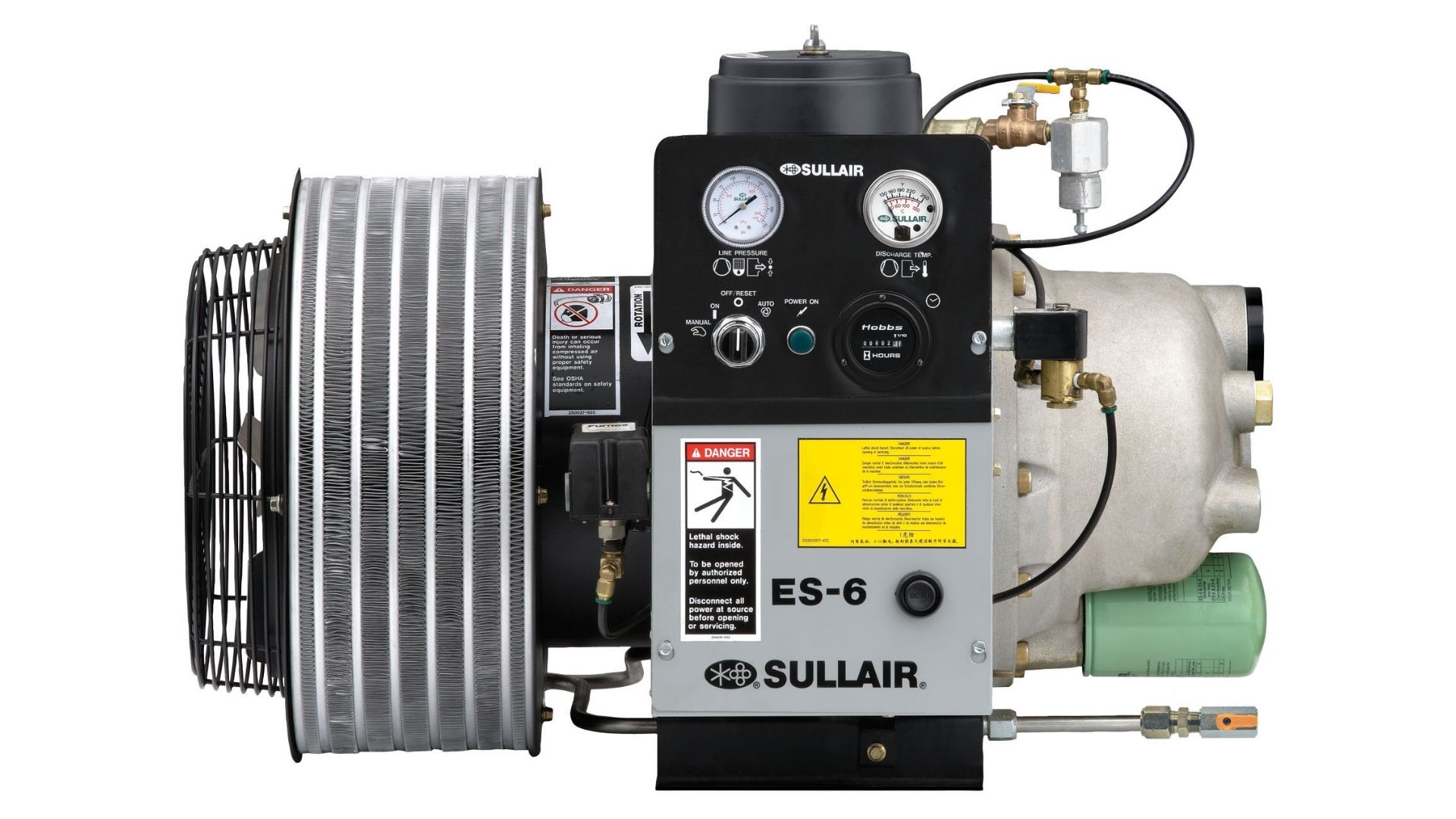
In reality, compressors, dryers, filters, piping, storage tanks, controls, and distribution systems work together. A restriction, leak, or failing component anywhere in the system can reduce overall performance.
That’s why experienced technicians evaluate the entire compressed air system rather than focusing on a single piece of equipment. Identifying the root cause often improves reliability, reduces energy consumption, and prevents repeated service calls.
For many facilities throughout Southern Colorado, a comprehensive system evaluation reveals opportunities to improve performance that routine maintenance alone may not uncover.
When Should You Schedule Professional Air Compressor Service?
Not every warning sign requires an emergency air compressor service call. However, allowing developing issues to continue often turns routine maintenance into a more expensive repair.
Consider scheduling professional service if you notice:
- Operating pressure continues to fluctuate.
- New or worsening mechanical noises.
- Higher-than-normal operating temperatures.
- Moisture reaching production equipment.
- Repeated maintenance alarms.
- Increasing energy consumption without a corresponding increase in production.
- Declining system performance despite routine maintenance.
Addressing these issues early helps reduce repair costs, minimize production interruptions, and extend equipment life.
What Can a Free Plant Evaluation Reveal?
Many compressed air problems aren’t caused by a single failing component. Instead, they stem from several minor inefficiencies that affect overall system performance.
A Free Plant Evaluation provides a high-level assessment of your compressed air system to identify opportunities for improved reliability and efficiency. While it is not an in-depth engineering analysis, it gives experienced technicians the opportunity to evaluate the system’s overall condition and identify areas that may require further attention.
During the evaluation, technicians may review:
- Overall compressor condition
- Air treatment equipment
- Visible air leaks
- System controls
- Equipment sizing
- Maintenance history
- General operating efficiency
Based on those observations, Remco can recommend maintenance, repairs, optimization opportunities, or additional engineering services when appropriate.
For many facilities, this proactive approach helps identify emerging issues before they lead to costly emergency repairs or unplanned downtime.
Don’t Wait for a Breakdown
Industrial air compressors are designed for long-term reliability, but they perform best when developing issues are addressed early.
Recognizing the signs your air compressor needs service allows maintenance teams to plan repairs before reliability, productivity, or operating costs are affected. Whether the issue is unusual noise, inconsistent pressure, excessive moisture, or rising energy consumption, early intervention is almost always less disruptive than emergency repairs.
If your compressed air system isn’t performing as expected, Remco’s factory-trained technicians can evaluate the entire system, identify emerging issues, and recommend practical solutions to improve reliability, efficiency, and long-term performance.
Request a Free Plant Evaluation to better understand your compressed air system’s condition and identify opportunities to improve reliability, efficiency, and long-term performance.