
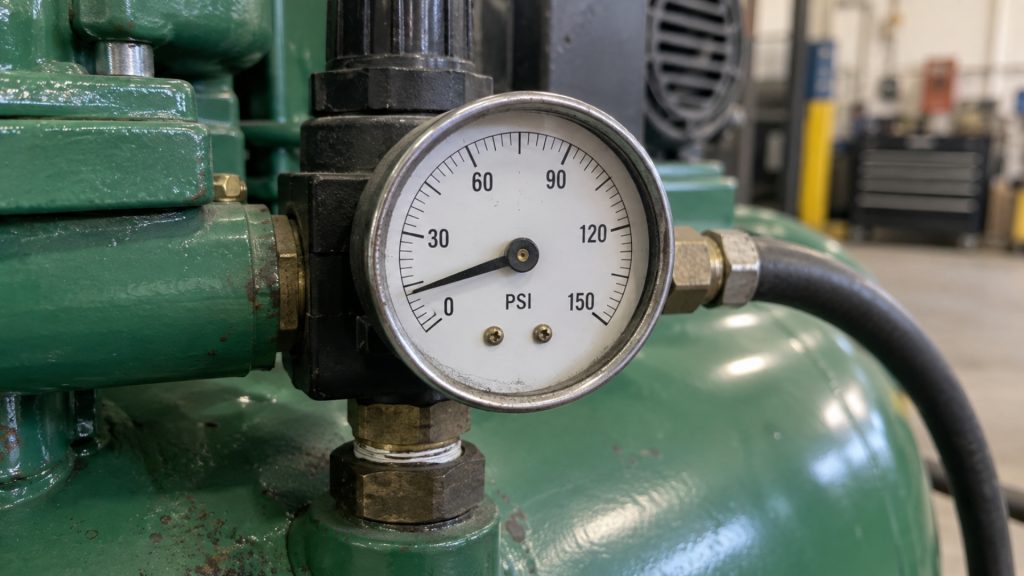
Summary: Low compressed air pressure can disrupt industrial operations by causing inefficiencies and equipment issues. Common causes include air leaks, undersized compressors, clogged filters, and poor system design. Addressing these problems with proper maintenance and quality equipment like Sullair compressors helps maintain reliable pressure and reduce downtime. Partnering with experts like Remco ensures your compressed air system supports your facility’s productivity.
What Causes Low Compressed Air Pressure in Your Facility?
When you notice low PSI, it means there’s a problem with your compressed air system. Pressure drops can originate at multiple points in your system, and pinpointing them helps you avoid costly interruptions. Common causes include leaks, inadequate compressor capacity, clogged filters, and improper system design. Each factor affects your system’s ability to deliver consistent pressure where it’s needed most.
Are Air Leaks Draining Your System’s Pressure?
One of the most prevalent causes of low compressed air pressure is air leaks. Even small leaks in piping, fittings, valves, or connections can lead to significant pressure loss over time. In an industrial environment, leaks often go unnoticed because they may be hidden behind equipment or inside walls. But even a small leak will continuously drain your system, forcing your compressor to work harder and consume more energy.
Make regular leak detection and repair a priority in your maintenance program. Ultrasonic leak detectors or pressure drop tests can help you locate leaks efficiently. Fixing leaks not only restores pressure but also reduces energy costs and extends equipment life.
Related: 10 Warning Signs Your Air Compressor Needs Service
Is Your Compressor Capacity Sufficient for Your Demand?
Low compressed air pressure can also result from an undersized compressor or one operating beyond its capacity. If your facility’s air demand has increased due to added equipment or production shifts, your existing compressor may struggle to maintain adequate pressure.
Evaluate your compressed air demand and compare it to your compressor’s rated capacity. If your compressor is undersized, consider upgrading to a larger unit or adding additional compressors to share the load. Properly sizing your compressor ensures stable pressure and supports your facility’s operational needs.
Could Clogged or Dirty Filters Be Restricting Airflow?
Filters are necessary to maintain air quality and protect your system from contaminants. When filters clog with dirt, dust, or oil, they restrict airflow and cause downstream pressure drops. Air restriction can mimic the symptoms of low compressed air pressure, affecting your tools and equipment performance.
Routine filter inspection and replacement are non-negotiable preventive maintenance tasks. Monitoring filter differential pressure gauges can alert you when filters need servicing. Clean filters will maintain consistent pressure and prevent damage to sensitive components in your compressed air system.
Is Your System Design Causing Pressure Loss?
Improper system design is a less obvious but significant contributor to low compressed air pressure. Long piping runs, undersized pipes, excessive bends, and inadequate drainage can all cause pressure drops. Additionally, poor placement of compressors and receivers can affect pressure stability across your facility.
Reviewing your system layout with an engineering-first approach can reveal design flaws. Optimizing pipe diameter, minimizing bends, and ensuring proper condensate drainage improves airflow and pressure consistency. A well-designed system reduces energy consumption and enhances reliability. If you need help designing the perfect system for your space, Remco’s got you covered. Our experts can review your facility needs and tailor the perfect system to your demands.
Read Also: Is Your Compressed Air System Properly Sized? A Guide to Compressed Air System Sizing
Are Pressure Regulators and Valves Functioning Correctly?
Pressure regulators and valves control compressed air flow and pressure throughout your system. Malfunctioning or improperly set regulators can cause pressure to drop below required levels. Similarly, partially closed or stuck valves can restrict airflow and reduce pressure.
Regular testing and calibration of regulators and valves are necessary to maintain system performance. Ensuring these components operate correctly helps you maintain target pressure levels and avoid unexpected pressure drops.
How Does Condensate Affect Your Compressed Air Pressure?
Condensate buildup in your compressed air system can lead to blockages and pressure loss. Moisture accumulation occurs naturally as compressed air cools, and if not properly drained, condensate can collect in pipes and equipment. Moisture buildup restricts airflow and increases the risk of corrosion and damage.
By installing effective condensate drains and traps, and maintaining them regularly, you can prevent moisture-related pressure issues. Keeping your system dry supports consistent pressure and prolongs equipment life.
Why Is Preventive Maintenance Critical to Avoid Low Compressed Air Pressure?
Preventive maintenance is the cornerstone of avoiding low compressed air pressure problems. Scheduled inspections, cleaning, and component replacements keep your system running smoothly. By proactively addressing potential issues like leaks, clogged filters, and worn parts, you reduce downtime and maintain operational efficiency.
To simplify maintenance, you can partner with an air service provider like Remco. We will ensure that your maintenance program covers every aspect of your equipment. If something goes wrong, we have the expertise to get your machines back up and running and minimize downtime.
You May Also like: Why Does My Air Compressor Keep Cycling On and Off?
Why Choose Sullair Equipment for Your Industrial Compressed Air Needs?
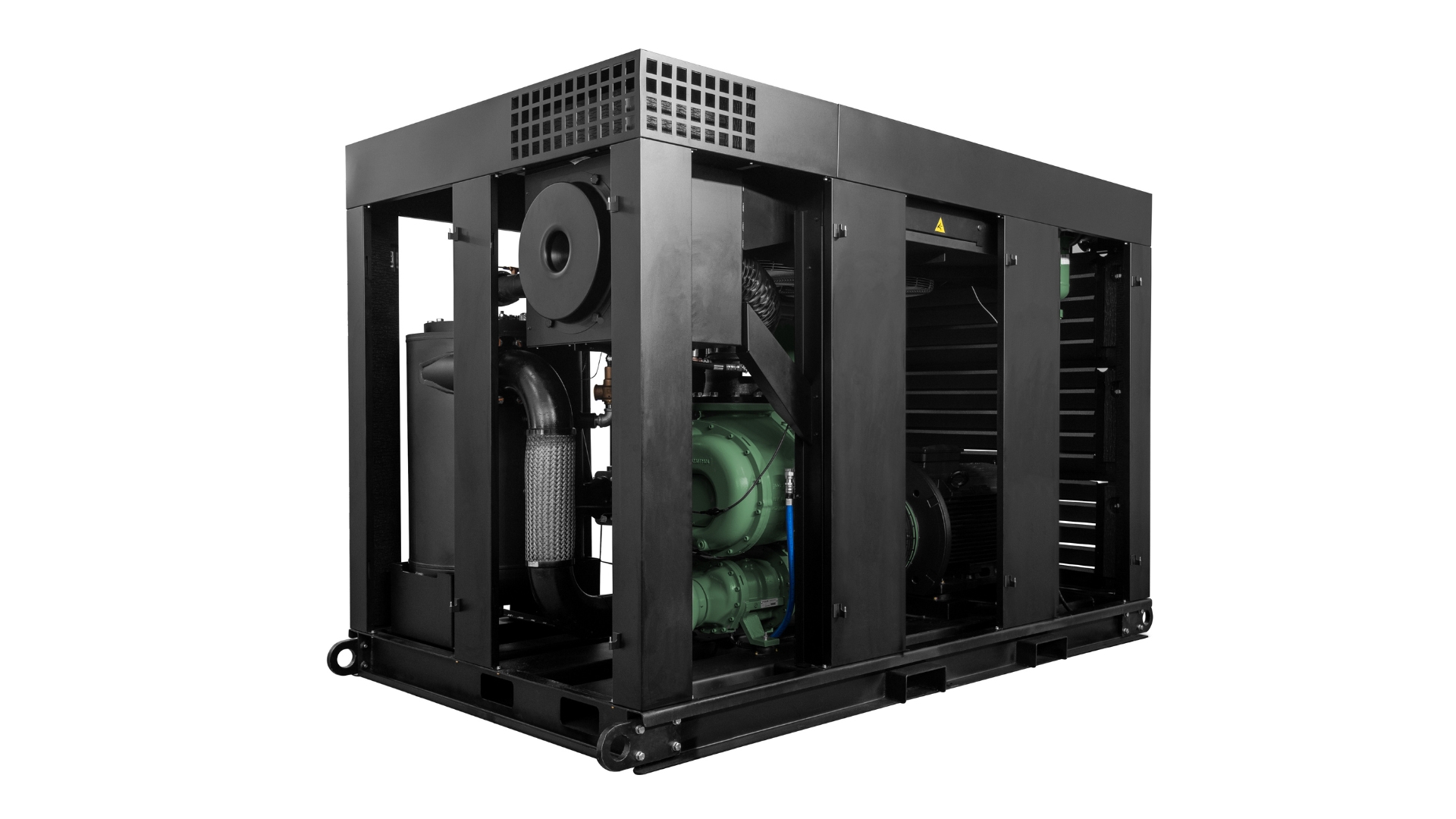
Remco proudly offers a range of Sullair compressed air equipment, trusted by industrial facilities throughout Southern Colorado for their durability, efficiency, and advanced technology. Sullair compressors are designed to meet the rigorous demands of manufacturing, machine shops, and other industrial operations, making them an excellent choice for maintaining consistent air pressure.
For example, the Sullair 375 Series Rotary Screw Compressor delivers reliable, energy-efficient performance with advanced AirEnd technology that reduces energy consumption while providing stable pressure output. The 375 Series ensures long service life and minimal downtime, super important for facilities relying on continuous compressed air.
Sullair’s commitment to innovation includes features such as variable-speed drives and intelligent controls that optimize compressor operation based on real-time demand. By choosing Sullair equipment through Remco, you gain access to factory-trained technicians and comprehensive service agreements to keep your compressors operating at peak efficiency.
How Can Remco Help You Solve Low Compressed Air Pressure?
At Remco, we understand the role compressed air systems play in your industrial operations. That’s why our multi-generational, family-owned company offers comprehensive solutions tailored to Southern Colorado’s industrial facilities. From engineering and design to preventive maintenance and emergency repair, we provide turnkey services that keep your air compressor systems running at peak performance.
Ready to ensure your compressed air system operates at peak efficiency? Reach out to Remco today to schedule your free plant evaluation. Let us help you keep your operations running smoothly and minimize costly downtime.