
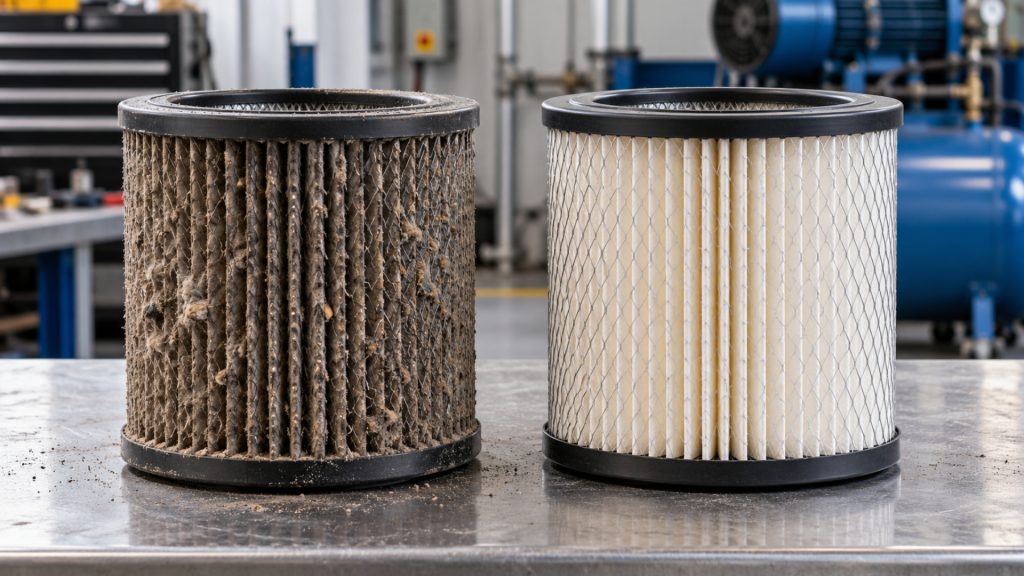
Summary: A dirty air compressor intake filter can restrict airflow, reduce efficiency, increase energy costs, and contribute to unexpected downtime. Common warning signs include reduced air delivery, higher operating temperatures, and inconsistent system pressure. Regular filter inspections and preventive maintenance help protect equipment reliability and maintain performance. At Remco Equipment, we help Southern Colorado businesses identify filtration problems and keep their compressed air systems operating efficiently.
What Does an Air Compressor Intake Filter Do?
Your air compressor draws atmospheric air into a compression chamber, where the air is pressurized for use. Before entering the compressor, that air passes through an intake filter designed to capture dust, dirt, and other airborne particles. Without effective filtration, contaminants can enter internal components and accelerate wear.
Unlike downstream compressed air filters, which help meet air quality requirements at the point of use, intake filters protect the compressor itself. They must remove contaminants without creating excessive resistance to incoming airflow.
For more information: The Compressed Air & Gas Institute’s technical handbook explains the distinct purposes of inlet filtration and downstream air treatment.
Can a Dirty Intake Filter Cause Low Air Pressure?
If your facility experiences pressure fluctuations during peak production, a restricted intake filter may be part of the problem. When your compressor cannot supply enough airflow, pressure in the distribution system can drop as demand exceeds available capacity. Pneumatic tools, automated machinery, and air-operated production equipment may then operate inconsistently.
Low system pressure can also result from leaks, control problems, undersized piping, or inadequate storage. The U.S. Department of Energy’s Compressed Air System Performance Sourcebook recommends addressing pressure losses before increasing system pressure or adding compressor capacity. Compare compressor output, operating demand, inlet restriction, and downstream pressure losses to determine whether the intake filter is limiting capacity or another part of the system.
Related: Common Causes of Low Compressed Air Pressure in Industrial Facilities
How Do Dirty Air Filters Affect Compressor Operating Temperatures?
Restricted intake airflow can also change the temperatures inside your compressor. As inlet pressure decreases, the compressor may operate at a higher compression ratio, which can increase discharge temperatures. Elevated temperatures place additional demands on cooling systems and lubricants, particularly during extended production shifts. In severe cases, these conditions may trigger temperature-related alarms or shutdowns.
Dirty coolers, insufficient ventilation, incorrect lubricant levels, and cooling system problems can produce similar symptoms. Your maintenance team should evaluate operating temperatures alongside filter restriction and other machine readings to identify the actual cause. Correcting the underlying condition helps protect equipment reliability while avoiding unnecessary component replacement.
What Are the Warning Signs of a Clogged Intake Filter?
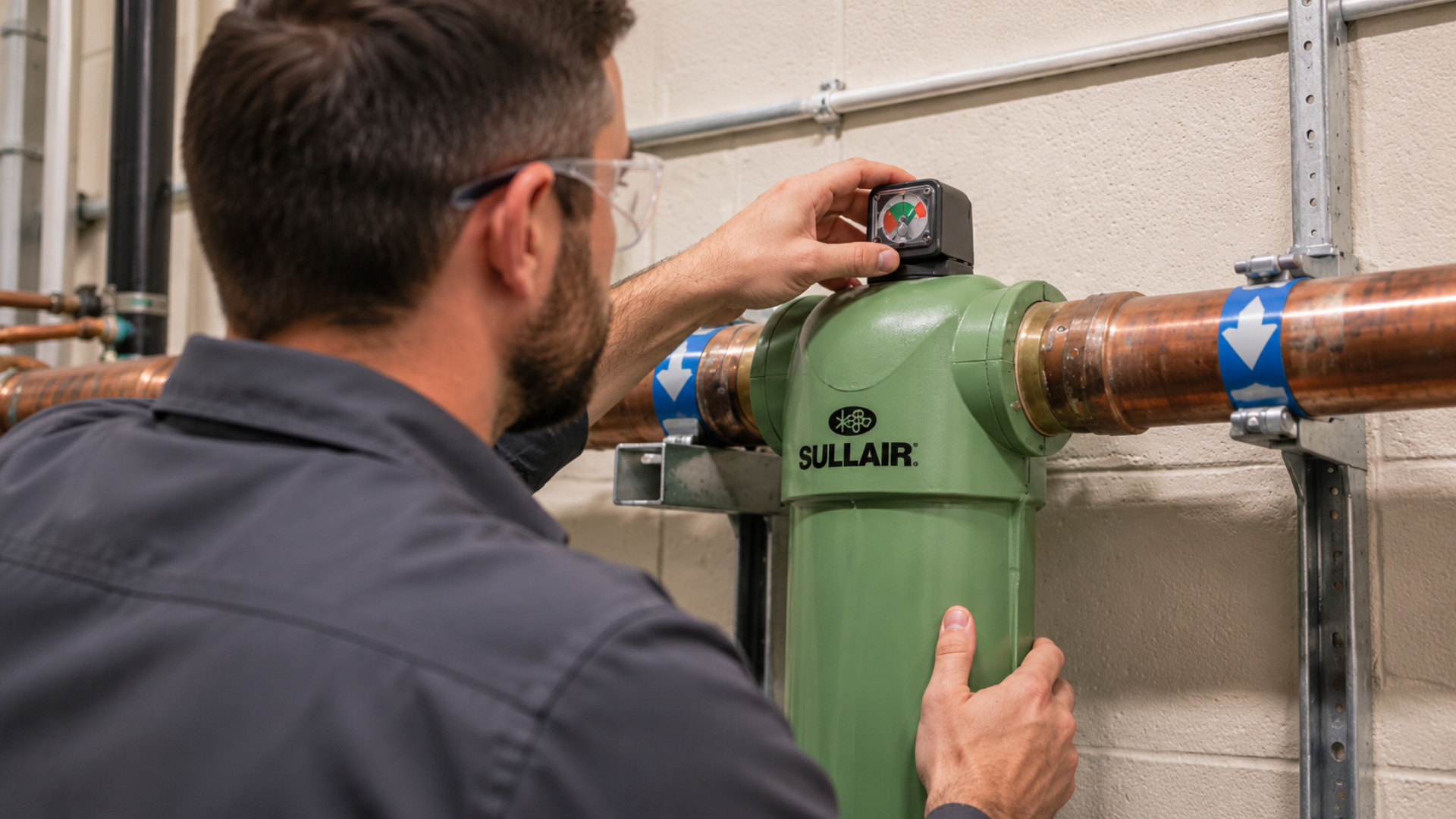
A clogged air compressor intake filter may not trigger an immediate alarm or obvious performance failure. Instead, you’ll notice gradual changes in how your equipment responds to normal demand. Reduced air delivery, longer operating periods, unusually high inlet restriction readings, and recurring capacity complaints can indicate developing filtration problems. Monitoring your filter media is one of the best ways to stay ahead of filtration issues.
How Often Should You Replace an Air Compressor Intake Filter?
The correct replacement interval depends on your operating hours and environment. A compressor operating in a clean mechanical room requires different maintenance intervals than one exposed to grinding dust or other industrial contaminants. Facilities with significant airborne particulate matter should inspect intake filters more frequently. Have your maintenance schedule reflect actual operating conditions rather than relying on a universal replacement interval.
A preventive maintenance program should include filter inspections, restriction measurements where supported, and documentation of replacement dates. These records help your technicians identify whether contamination is increasing faster than expected. Following manufacturer requirements and tracking equipment performance helps prevent avoidable capacity losses.
Why Do Southern Colorado Facilities Need Consistent Filter Maintenance?
Southern Colorado’s environmental conditions can make intake filtration especially important. Dry conditions, airborne dust, seasonal winds, and industrial activity can introduce contaminants into compressor rooms.
When checking your system, account for the air quality surrounding each compressor:
- For machine shops, metalworking facilities, and automotive repair operations, airborne particles generated during production can increase filter loading.
- Compressors near open doors, material handling areas, or dusty production equipment may need extra attention.
- Improving compressor room housekeeping and evaluating intake placement can help reduce unnecessary contamination.
Read Also: Is Your Compressed Air System Properly Sized? A Guide to Compressed Air System Sizing
Can a Damaged Intake Filter Cause Compressor Problems?
A heavily contaminated air compressor intake filter isn’t the only filtration issue that can affect your compressor. Damaged elements, deteriorated seals, and improperly installed filters may allow contaminants to bypass the filtration media. Contaminants contribute to internal wear and maintenance problems.
Your technicians should verify filter specifications, inspect housing seals, and confirm that replacement components fit properly. Choosing components based on manufacturer requirements helps protect your compressor throughout its operating life.
How Do Sullair Air Filters Work With Sullair Compressor Systems?
At the compressor inlet, Sullair OptimalAir filters use fine-fiber technology to capture airborne contaminants while maintaining efficient airflow. Nanofiber media traps particles on the filter surface rather than letting contaminants accumulate deep within the media, reducing premature restriction. Using the correct inlet filter for your Sullair compressor helps protect internal components, maintain air delivery, and reduce contamination-related maintenance problems.
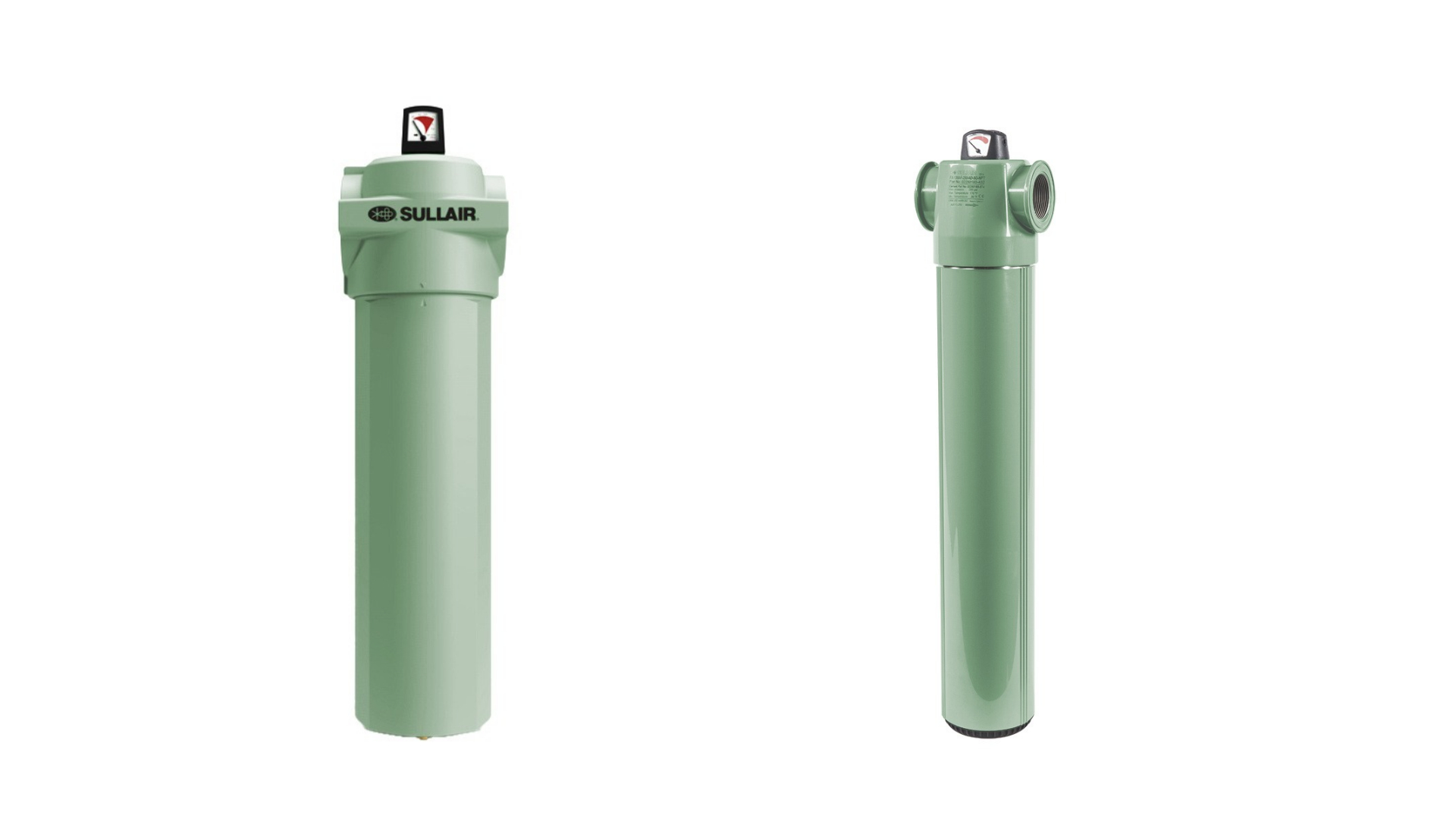
Once air leaves the compressor, Sullair inline compressed air filters and mist eliminators provide additional protection throughout the distribution system. Filters integrate with Sullair compressors, air dryers, and downstream piping to remove particulates, liquid aerosols, and other contaminants. Sullair’s SF Series includes particulate, coalescing, and activated-carbon filtration options, with designs that help minimize pressure drop while maintaining air quality.
How Can Preventive Maintenance Protect Compressor Performance?
Effective preventive maintenance goes beyond replacing an air compressor intake filter when it becomes visibly dirty. Your maintenance team should review operating temperatures, inlet restriction, lubricant condition, cooling performance, and compressor operating hours together. Evaluating these measurements helps identify developing problems before they become production interruptions. It also gives you a clearer understanding of how individual maintenance activities affect overall system reliability.
A comprehensive service agreement can provide additional consistency by establishing scheduled inspections, replacement procedures, and equipment performance reviews. Instead of responding only when compressed air delivery becomes unreliable, you can address developing restrictions during planned service windows.
You May Also Like: Designing a Compressed Air System for Future Growth
How Can Remco Help Maintain Your Compressed Air System?
Dirty intake filters may seem like a minor maintenance issue, but their effects can ripple through your compressed air operation. If your facility experiences declining compressor capacity, elevated temperatures, or inconsistent air delivery, determining the cause requires more than replacing parts at random. Remco Equipment’s factory-trained technicians evaluate compressor operating conditions and identify maintenance concerns that can affect reliability.
As a multi-generational, family-owned company serving Southern Colorado, Remco provides preventive maintenance, troubleshooting, repairs, replacement parts, and long-term compressed air system support. Whether your operation relies on a single compressor or multiple machines supporting continuous production, an appropriate maintenance program helps protect equipment availability. Reach out to us today to discuss the needs of your facility with our compressed air experts.